









Masechet Zevachim
Masechet Zevachim is sponsored by Esther Kremer in loving memory of her father, Manny Gross on his third yahrzeit. “He exemplified a path of holiness and purity, living with kedushah in his everyday life.”
Want to dedicate learning? Get started here:

Summary

After the Mishna discusses which kohanim are entitled to portions of sacrificial meat, Reish Lakish derives from the verse “the kohen who offers it shall eat it” that only those who perform the service may partake, excluding a tvul yom and mechusar kipurim. The Gemara challenges this, noting that priests on weekly rotation receive a share even if they did not offer that sacrifice, and that minors also eat despite being unfit for service. The verse is therefore reinterpreted to mean that those “fit for service” may receive a portion, though others, such as children, may still partake in eating. This raises a difficulty regarding blemished priests, who are unfit for offering yet still receive a share. To resolve this, the verse “all male kohanim” is understood to include them, and the Gemara analyzes why a tvul yom is excluded while a blemished priest is included.
Reish Lakish further asks whether a blemished kohen who is also impure may receive a portion. Raba cites the case of the kohen gadol who, while an onen (mourner on the day of a relative’s death), works in the Temple but cannot eat, and does not receive a share to eat later – showing that eligibility requires fitness for eating. Rav Oshaya raises a similar question about a kohen who is impure in a situation where impurity is permitted for communal offerings, and Ravina responds with the same proof from the kohen gadol, again affirming that fitness for eating is required.
The Mishna states that an onen may touch sacred items, which contradicts a Mishna in Chagiga 21a requiring immersion for sacrificial items (kodashim). Three resolutions are offered: first, that our Mishna refers to before immersion, though this is rejected since immersion does not remove aninut; second, distinguishing between one who was careful to avoid impurity that conveys tumah but not impurity that disqualifies, versus one who was careful in all respects; and third, that our Mishna refers to touching, while Chagiga refers to eating. A source is brought to prove that there could be situations where one is careful about one type of impurity and not another, a distinction that carries halakhic consequences.
Since the Mishna rules that an onen does not receive a share, it seems to imply that he may nevertheless eat sacrificial meat. Yet this conflicts with Pesachim 91b, which teaches that an onen may immerse and eat the Passover sacrifice at night but not other offerings. The resolution distinguishes between Passover, where eating is permitted due to its unique requirements, and other sacrifices throughout the year. This leads to mention of a debate between Rabbi Yehuda and Rabbi Shimon over whether nighttime aninut is biblical or rabbinic, since the permission for the onen to eat the Passover sacrifice rests on Rabbi Shimon’s view that it is rabbinic. However, a braita suggests that Rabbi Shimon holds aninut at night to be a Torah law. Two possible resolutions are offered to reconcile this apparent contradiction.
Today’s daily daf tools:
Masechet Zevachim
Masechet Zevachim is sponsored by Esther Kremer in loving memory of her father, Manny Gross on his third yahrzeit. “He exemplified a path of holiness and purity, living with kedushah in his everyday life.”
Today’s daf is sponsored by Cathy Shepard in loving memory of Rabbi Eliezer Diamond. “A wonderful and inspiring Talmud teacher.”
Zevachim 99
גְּמָ׳ מְנָא הָנֵי מִילֵּי? אָמַר רֵישׁ לָקִישׁ, דְּאָמַר קְרָא: ״הַכֹּהֵן הַמְחַטֵּא אֹתָהּ יֹאכְלֶנָּה״ – כֹּהֵן הַמְחַטֵּא יֹאכַל, שֶׁאֵינוֹ מְחַטֵּא אֵינוֹ אוֹכֵל.
GEMARA: The mishna teaches that a priest who is unfit for the Temple service does not receive a share of the sacrificial meat. The Gemara asks: From where are these matters derived? Reish Lakish said: It is derived from a verse, as the verse states about a sin offering: “The priest who effects atonement shall eat it; in a sacred place shall it be eaten, in the court of the Tent of Meeting” (Leviticus 6:19). This teaches that only a priest who effects atonement by performing the rites of the offering shall partake of its meat, but a priest who does not effect atonement does not partake of its meat.
וּכְלָלָא הוּא?! וַהֲרֵי מִשְׁמָרָה כּוּלָּהּ – דְּאֵין מְחַטְּאִין, וְאוֹכְלִין! רָאוּי לְחִיטּוּי קָאָמְרִינַן.
The Gemara challenges: And is this an established principle? But there are all the priests of the priestly watch of that week in the Temple, who do not effect atonement for that offering, because the blood of a specific sin offering is presented by just one priest, and yet they all partake of its meat. The Gemara explains: We mean to say that any priest who is fit for effecting atonement may partake of it, even one who did not participate in the service.
הֲרֵי קָטָן – דְּאֵינוֹ רָאוּי לְחִיטּוּי, וְאוֹכֵל! אֶלָּא מַאי ״יֹאכְלֶנָּה״ – יְחַלְּקֶנָּה. רָאוּי לְחִיטּוּי – חוֹלֵק, שֶׁאֵינוֹ רָאוּי לְחִיטּוּי – אֵינוֹ חוֹלֵק.
The Gemara objects: But there is the case of a minor, who is unfit for effecting atonement, and who nevertheless partakes of sacrificial meat. The Gemara explains: Rather, what is meant by the term: “Shall eat it”? It means that he shall receive a share of it. The halakha is therefore that a priest who is fit for effecting atonement receives a share of the meat, but a priest who is unfit for effecting atonement does not receive a share of the meat. Minors do not receive a share, though they may partake of meat given to them by others.
הֲרֵי בַּעַל מוּם – דְּאֵינוֹ רָאוּי לְחִיטּוּי, וְחוֹלֵק! בַּעַל מוּם רַחֲמָנָא רַבְּיֵיהּ: ״כׇּל זָכָר בַּכֹּהֲנִים״ – לְרַבּוֹת בַּעַל מוּם.
The Gemara objects: But there is a blemished priest, who is unfit for effecting atonement, and yet he receives a share of its meat. The Gemara replies: The Merciful One included a blemished priest as an exception, as the verse that states: “Every male among the priests shall eat it” (Leviticus 6:22), serves to include a blemished priest.
וְאֵימָא: ״כׇּל זָכָר״ – לְרַבּוֹת טְבוּל יוֹם! מִסְתַּבְּרָא בַּעַל מוּם הֲוָה לֵיהּ לְרַבּוֹיֵי, שֶׁכֵּן אוֹכֵל.
The Gemara suggests: But say that the phrase “every male” serves to include one who immersed that day, teaching that he may also receive a share in the sacrificial meat. Why should it be understood as referring specifically to a blemished priest? The Gemara replies: It stands to reason that the Torah should include a blemished priest for receiving his own share of the meat, because he may partake of sacrificial meat in any event. By contrast, one who immersed that day is impure and may not touch or partake of sacrificial meat.
אַדְּרַבָּה – טְבוּל יוֹם הֲוָה לֵיהּ לְרַבּוֹיֵי, דִּלְאוּרְתָּא מִיחְזָא חֲזֵי! הַשְׁתָּא מִיהָא הָא לָא חֲזֵי.
The Gemara rejects this: On the contrary, the Torah should include one who immersed that day, because, unlike a blemished priest, in the evening he will be fit to perform the service. The Gemara replies: Now, in any event, the one who immersed himself is not fit.
רַב יוֹסֵף אָמַר: מִכְּדֵי מַאי ״יֹאכְלֶנָּה״ – יְחַלְּקֶנָּה; לִכְתּוֹב רַחֲמָנָא ״יְחַלְּקֶנָּה״! מַאי ״יֹאכְלֶנָּה״? שְׁמַע מִינַּהּ: רָאוּי לַאֲכִילָה – חוֹלֵק, שֶׁאֵינוֹ רָאוּי לַאֲכִילָה – אֵינוֹ חוֹלֵק.
Rav Yosef said another explanation: Now what is meant by the term: “Shall eat it”? It means: He shall receive a share of it. But if so, let the Merciful One write: Shall receive a share of it. What is the reason for writing: “Shall eat it”? Learn from it that only a priest who is fit for partaking of sacrificial meat, which includes a blemished priest, receives a share in the meat; but a priest who is not fit for partaking of sacrificial meat, e.g., one who immersed that day, does not receive a share in the meat.
בָּעֵי רֵישׁ לָקִישׁ: בַּעַל מוּם וְהוּא טָמֵא, מַהוּ שֶׁיַּחְלְקוּ לוֹ? כֵּיוָן דְּלָא חֲזֵי וְרַחֲמָנָא רַבְּיֵיהּ – לָא שְׁנָא, מָה לִי טָמֵא מָה לִי בַּעַל מוּם; אוֹ דִלְמָא, רָאוּי לַאֲכִילָה חוֹלֵק, שֶׁאֵינוֹ רָאוּי לַאֲכִילָה אֵינוֹ חוֹלֵק?
§ Reish Lakish raises a dilemma: If a priest is blemished and he is impure, what is the halakha? Must the other priests give him a share of the meat? Perhaps we say that since he is not fit to perform the rite as a blemished priest and nevertheless the Merciful One included him to receive a share in the meat, there is no difference: What is the difference to me if he is impure, and what is the difference to me if he is only blemished? In any event he is not fit, yet the Torah allows him to receive a share in the meat. Or perhaps he may not receive a share in the meat, because only a priest who is fit for partaking of sacrificial meat receives a share of the meat, but a priest who is not fit for partaking of sacrificial meat does not receive a share of the meat.
אָמַר רַבָּה, תָּא שְׁמַע: כֹּהֵן גָּדוֹל מַקְרִיב אוֹנֵן, וְאֵינוֹ אוֹכֵל, וְאֵינוֹ חוֹלֵק לֶאֱכוֹל לָעֶרֶב. שְׁמַע מִינַּהּ: רָאוּי לַאֲכִילָה בָּעֵינַן! שְׁמַע מִינַּהּ.
Rabba said: Come and hear a resolution to this dilemma from a baraita: If a High Priest is serving in the Temple and one of his immediate relatives dies, he sacrifices offerings even as an acute mourner. But he does not partake of sacrificial meat, and he does not receive a share to partake of it in the evening. Conclude from the baraita that in order for the priest to receive a share in sacrificial meat, we require that he be fit for partaking of it, and accordingly, a blemished priest who is impure does not receive a share. The Gemara affirms: Conclude from the baraita that this is so.
בָּעֵי רַב אוֹשַׁעְיָא: טָמֵא בְּקׇרְבְּנוֹת צִיבּוּר, מַהוּ שֶׁיַּחְלְקוּ לוֹ? מִי אָמְרִינַן: ״הַמְחַטֵּא״ אָמַר רַחֲמָנָא – וְהַאי נָמֵי מֵחֵטְא הוּא; אוֹ דִלְמָא, רָאוּי לַאֲכִילָה חוֹלֵק, שֶׁאֵין רָאוּי לַאֲכִילָה אֵינוֹ חוֹלֵק?
§ Rav Oshaya raises a dilemma: If a priest is impure, then in a case of communal offerings, which may be offered by an impure priest, what is the halakha? Do the other priests give him a share of the meat, so that he may partake of it in the evening when he becomes pure? Do we say that the Merciful One states: “The priest who effects atonement,” and therefore any priest who is fit for effecting atonement receives a share, as derived earlier, and this priest is also one who may effect atonement, since this is a communal offering? Or perhaps he may not, due to the principle that only a priest who is fit for partaking of sacrificial meat receives a share of the meat, but a priest who is unfit for partaking of sacrificial meat does not receive a share.
אָמַר רָבִינָא, תָּא שְׁמַע: כֹּהֵן גָּדוֹל מַקְרִיב אוֹנֵן, וְאֵינוֹ אוֹכֵל, וְאֵינוֹ חוֹלֵק לֶאֱכוֹל לָעֶרֶב. שְׁמַע מִינַּהּ: רָאוּי לַאֲכִילָה בָּעֵינַן! שְׁמַע מִינַּהּ.
Ravina said: Come and hear a resolution to this dilemma from a baraita: If a High Priest is serving in the Temple and one of his relatives dies, he sacrifices offerings even as an acute mourner, but he does not partake of sacrificial meat and he does not receive a share of it to partake in the evening. Conclude from the baraita that in order for a priest to receive a share in sacrificial meat, we require that he be fit for partaking of it at the time of the service, without regard to whether he can perform the service. The Gemara affirms: Conclude from the baraita that this is so.
אוֹנֵן נוֹגֵעַ וְאֵינוֹ מַקְרִיב כּוּ׳. אוֹנֵן נוֹגֵעַ?! וּרְמִינְהִי: אוֹנֵן וּמְחוּסַּר כִּיפּוּרִים – צְרִיכִין טְבִילָה לַקּוֹדֶשׁ!
§ The mishna teaches: A priest who is an acute mourner is permitted to touch sacrificial meat, but he may not sacrifice offerings. The Gemara asks: Is it in fact permitted for an acute mourner to touch sacrificial meat? And the Gemara raises a contradiction from another mishna (Ḥagiga 21a): An acute mourner and one who has not yet brought an atonement offering, even after their respective disqualifications have expired, require immersion in order to eat sacrificial food. According to that mishna, an acute mourner who did not immerse may not touch sacrificial meat.
אָמַר רַבִּי אַמֵּי אָמַר רַבִּי יוֹחָנָן: לָא קַשְׁיָא; כָּאן בְּשֶׁטָּבַל, כָּאן בְּשֶׁלֹּא טָבַל.
Rabbi Ami said that Rabbi Yoḥanan said: This is not difficult. Here, the ruling of the mishna is stated with regard to a case where the mourner immersed during his day of acute mourning. This is why he is permitted to touch the sacrificial meat. There, the ruling of the mishna in tractate Ḥagiga is stated with regard to a case where the mourner did not immerse.
וְכִי טָבַל מַאי הָוֵי? הָא הָדְרָא עֲלֵיהּ אֲנִינוּת; דְּאָמַר רַבָּה בַּר רַב הוּנָא: אוֹנֵן שֶׁטָּבַל – אֲנִינוּתוֹ חוֹזֶרֶת עָלָיו!
The Gemara asks: And even if he immersed, what of it? But doesn’t his acute mourning return to him? As Rabba, son of Rav Huna, says: In a case of an acute mourner who immersed during his day of his acute mourning, his acute mourning returns to him.
לָא קַשְׁיָא; הָא דְּאַסַּח דַּעְתֵּיהּ, הָא דְּלָא אַסַּח דַּעְתֵּיהּ.
The Gemara answers: This is not difficult. That case, in tractate Ḥagiga, is one where he was distracted from safeguarding his state of purity, so he may not touch sacrificial meat in the event that he is impure. This case, in the mishna here, is one where he was not distracted.
הֶיסַּח הַדַּעַת – שְׁלִישִׁי וּשְׁבִיעִי בָּעֵי; דְּאָמַר רַבִּי יוֹסְטַאי בְּרַבִּי מָתוּן אָמַר רַבִּי יוֹחָנָן: הֶיסַּח הַדַּעַת – צָרִיךְ הַזָּאָה שְׁלִישִׁי וּשְׁבִיעִי!
The Gemara counters: If the mishna in tractate Ḥagiga is discussing a case of distraction, then his status is like that of one who contracted ritual impurity imparted by a corpse, who requires sprinkling with water of purification on the third and seventh days of his impurity. As Rabbi Yustai, son of Rabbi Matun, says that Rabbi Yoḥanan says: One who experienced a distraction requires sprinkling with water of purification on the third and seventh days.
לָא קַשְׁיָא; הָא דְּאַסַּח דַּעְתֵּיהּ מִטְּמֵא מֵת, הָא דְּאַסַּח דַּעְתֵּיהּ מִטְּמֵא שֶׁרֶץ.
The Gemara responds: This is not difficult. That statement, that he requires sprinkling, is discussing a case where he was distracted and careless about contracting impurity imparted by a corpse. This mishna in tractate Ḥagiga, stating that he requires immersion but not sprinkling, is discussing a case where he was distracted and careless about contracting impurity imparted by the carcass of a creeping animal.
טְמֵא שֶׁרֶץ – טָמֵא מְעַלְּיָיא הוּא, הֶעֱרֵב שֶׁמֶשׁ בָּעֵי! וְעוֹד, אֲפִילּוּ תְּרוּמָה נָמֵי!
The Gemara counters: One who was careless about becoming impure due to the carcass of a creeping animal is fully impure, and so he requires not only immersion to become pure, but he also requires sunset. And furthermore, if the mishna in tractate Ḥagiga is discussing this case, the mourner should be prohibited from touching even teruma, not just sacrificial meat. Why does the mishna mention only the latter?
אָמַר רַבִּי יִרְמְיָה: בְּאוֹמֵר נִשְׁמַרְתִּי מִדָּבָר הַמְטַמְּאֵנִי, וְלֹא נִשְׁמַרְתִּי מִדָּבָר הַפּוֹסְלֵנִי.
Rabbi Yirmeya said: The mishna is discussing a case where he says: I safeguarded myself from anything that would render me impure, so I am certain that I did not contract impurity that requires waiting until sunset; but I did not safeguard myself from anything that would render me unfit for touching sacrificial meat.
וּמִי אִיכָּא נְטִירוּתָא לְפַלְגָא?! אִין; וְהָתַנְיָא: עוֹדֵהוּ הַסַּל עַל רֹאשׁוֹ
The Gemara asks: But is there such a concept of partial care, that one can claim to have safeguarded himself from one form of impurity but not another? The Gemara answers: Yes, and it is taught in a baraita: If one was carrying a basket, and the basket was still on his head,
וּמַגְרֵיפָה בְּתוֹכוֹ, וְאָמַר: ״לִבִּי עַל הַסַּל וְאֵין לִבִּי עַל הַמַּגְרֵיפָה״ – הַסַּל טָהוֹר וְהַמַּגְרֵיפָה טְמֵאָה.
and a shovel was in the basket, and he said: I am minding the basket, that it not become impure, but I am not minding the shovel, then the basket is pure, and the shovel is impure.
וּתְטַמֵּא מַגְרֵיפָה לְסַל! אֵין כְּלִי מְטַמֵּא כְּלִי. וּתְטַמֵּא מַה שֶּׁבְּתוֹכוֹ! אָמַר רָבָא: בְּאוֹמֵר שְׁמַרְתִּיהָ מִדָּבָר הַמְטַמְּאָהּ, וְלֹא שְׁמַרְתִּיהָ מִדָּבָר הַפּוֹסְלָהּ.
The Gemara challenges the ruling of the baraita: But wouldn’t the shovel render the basket impure? The Gemara answers: There is a principle that a vessel does not render another vessel ritually impure. The Gemara challenges: But wouldn’t the shovel render that which is in the basket, e.g., figs, impure? Rava said: The case is where he says: I safeguarded it, the shovel, from anything that would allow it to render another item impure, but I did not safeguard it from anything that would render it itself unfit, i.e., impure.
אִיגַּלְגַּל מִילְּתָא, וּמְטַאי לְקַמֵּיהּ דְּרַבִּי אַבָּא בַּר מֶמֶל. אֲמַר לְהוּ, לָא שְׁמִיעַ לְהוּ הָא דְּאָמַר רַבִּי יוֹחָנָן אָמַר רַבִּי: הָאוֹכֵל שְׁלִישִׁי שֶׁל תְּרוּמָה – אָסוּר לֶאֱכוֹל וּמוּתָּר לִיגַּע?
The Gemara returns to discuss the contradiction between the mishna, which permits an acute mourner to touch sacrificial meat, and the mishna in tractate Ḥagiga, which requires him to immerse. The Gemara relates: The matter circulated and came before Rabbi Abba bar Memel. He said to the Sages before him: Have they not heard that which Rabbi Yoḥanan says that Rabbi Yehuda HaNasi says: One who partakes of teruma that has third-degree impurity, i.e., teruma disqualified through contact with an item with second-degree impurity, is prohibited from partaking of teruma, but permitted to touch teruma.
אַלְמָא בַּאֲכִילָה עֲבוּד רַבָּנַן מַעֲלָה, בִּנְגִיעָה לָא עֲבוּד רַבָּנַן מַעֲלָה!
Rabbi Abba bar Memel continued: Apparently, in a case of partaking, the Sages imposed a higher standard, whereas in a case of touching, the Sages did not impose a higher standard. Similarly, in a case of an acute mourner, the Sages require him to immerse before he may partake of sacrificial meat, as taught in tractate Ḥagiga, but they do not impose this standard for touching the meat, as taught in the mishna here.
וְאֵינוֹ חוֹלֵק לֶאֱכוֹל כּוּ׳. מִיפְלָג הוּא דְּלָא פְּלִיג, וְכִי מְזַמְּנִי לֵיהּ – אָכֵיל;
§ The mishna teaches with regard to an acute mourner: And he does not receive a share of sacrificial meat in order to partake of it in the evening. The Gemara comments: The mishna indicates only that he may not receive a share of the meat, but when other priests invite him to join in their portions, he may partake of them in the evening.
וּרְמִינְהִי: אוֹנֵן (וּמְחוּסַּר כִּיפּוּרִים) – טוֹבֵל וְאוֹכֵל אֶת פִּסְחוֹ לָעֶרֶב, אֲבָל לֹא בְּקָדָשִׁים!
And the Gemara raises a contradiction from a mishna (Pesaḥim 91b): An acute mourner immerses and partakes of his Paschal offering in the evening, but he may not partake of other sacrificial meat.
אָמַר רַב יִרְמְיָה מִדִּיפְתִּי: לָא קַשְׁיָא; כָּאן בְּפֶסַח, כָּאן בִּשְׁאָר יְמוֹת הַשָּׁנָה.
Rav Yirmeya of Difti said: This is not difficult. Here, the ruling of the mishna is stated with regard to the first night of Passover, whereas there, in tractate Pesaḥim, the ruling of the mishna is stated with regard to the rest of the days of the year.
בְּפֶסַח – אַיְּידֵי דְּאָכֵיל פֶּסַח, אָכֵיל נָמֵי קָדָשִׁים. בִּשְׁאָר יְמוֹת הַשָּׁנָה – דְּלָא חֲזֵי, לָא חֲזֵי. וּמַאי ״אֲבָל לֹא בְּקָדָשִׁים״? אֲבָל לֹא בְּקָדָשִׁים שֶׁל כׇּל הַשָּׁנָה.
What is the reason for the distinction between the two? On the first night of Passover, since he partakes of the Paschal offering, he may also partake of other sacrificial meat. But on the rest of the days of the year, when he is unfit to partake of sacrificial meat, he is unfit. And what does the mishna in Pesaḥim mean when it states: But he may not partake of other sacrificial meat? It means: But he may not partake of sacrificial meat of all of the rest of the year, other than the first night of Passover.
רַב אַסִּי אָמַר: לָא קַשְׁיָא; כָּאן שֶׁמֵּת לוֹ מֵת בְּאַרְבָּעָה עָשָׂר וּקְבָרוֹ בְּאַרְבָּעָה עָשָׂר, כָּאן שֶׁמֵּת לוֹ מֵת בִּשְׁלֹשָׁה עָשָׂר וּקְבָרוֹ בְּאַרְבָּעָה עָשָׂר; יוֹם קְבוּרָה לָא תָּפֵיס לֵילוֹ מִדְּרַבָּנַן.
Rav Asi said there is a different resolution to the contradiction between the mishnayot: This is not difficult. Here, in the ruling of the mishna in tractate Pesaḥim, which prohibits an acute mourner from partaking of sacrificial meat, it is referring to a case where his relative died on the fourteenth day of Nisan, and he buried him on the fourteenth itself, in which case he is still considered an acute mourner by rabbinic law that evening. There, in the ruling of the mishna in this chapter, it is referring to a case where his relative died on the thirteenth of Nisan, and he buried him on the fourteenth of Nisan. The reason the mourner may partake is that since the day of burial is not the day of death, it does not take hold of its following night by rabbinic law.
מַאן תַּנָּא אֲנִינוּת לַיְלָה מִדְּרַבָּנַן? רַבִּי שִׁמְעוֹן הִיא. דְּתַנְיָא: אֲנִינוּת לַיְלָה מִדִּבְרֵי תוֹרָה. דִּבְרֵי רַבִּי יְהוּדָה. רַבִּי שִׁמְעוֹן אוֹמֵר: אוֹנֵן אֵינוֹ מִדִּבְרֵי תוֹרָה, אֶלָּא מִדִּבְרֵי סוֹפְרִים. תֵּדַע – שֶׁהֲרֵי אָמְרוּ: אוֹנֵן טוֹבֵל וְאוֹכֵל אֶת פִּסְחוֹ לָעֶרֶב, אֲבָל לֹא בַּקֳּדָשִׁים.
The Gemara clarifies: Who is the tanna who taught that acute mourning the following night is by rabbinic law, as opposed to by Torah law? This is the opinion of Rabbi Shimon, as it is taught in a baraita: Acute mourning at night is by Torah law; this is the statement of Rabbi Yehuda. Rabbi Shimon says: His status as an acute mourner at night is not by Torah law, but by rabbinic law. Know that this so, as the Sages said: An acute mourner immerses and partakes of his Paschal offering in the evening, but he may still not partake of other sacrificial meat. If acute mourning at night were by Torah law, he would not be permitted to partake of the Paschal offering.
וְסָבַר רַבִּי שִׁמְעוֹן אֲנִינוּת לַיְלָה מִדְּרַבָּנַן?! וְהָתַנְיָא, רַבִּי שִׁמְעוֹן אוֹמֵר: אוֹנֵן אֵינוֹ מְשַׁלֵּחַ קׇרְבְּנוֹתָיו. מַאי, לָאו וַאֲפִילּוּ בְּפֶסַח? לָא; לְבַר מִפֶּסַח.
The Gemara asks: And does Rabbi Shimon hold that acute mourning at night is by rabbinic law and that consequently an acute mourner partakes of his Paschal offering in the evening? But isn’t it taught in a baraita: Rabbi Shimon says: An acute mourner does not send his offerings to the Temple to be sacrificed? What, is it not referring even to a Paschal offering? The Gemara rejects this: No, the baraita is referring to all offerings other than a Paschal offering.
וְהָתַנְיָא, רַבִּי שִׁמְעוֹן אוֹמֵר: ״שְׁלָמִים״ – כְּשֶׁהוּא שָׁלֵם מֵבִיא, וְאֵינוֹ מֵבִיא כְּשֶׁהוּא אוֹנֵן. מִנַּיִן לְרַבּוֹת אֶת הַתּוֹדָה? מְרַבֶּה אֲנִי אֶת הַתּוֹדָה, שֶׁכֵּן נֶאֱכֶלֶת בְּשִׂמְחָה כִּשְׁלָמִים.
The Gemara counters: But isn’t it taught in a baraita: With regard to the verse: “And if his offering be a sacrifice of peace offerings [shelamim]” (Leviticus 3:1), Rabbi Shimon says: The offering is called shelamim to teach that when a person is whole [shalem], i.e., in a state of contentment, he brings his offering, but he does not bring it when he is an acute mourner. From where is it derived to include that an acute mourner does not bring even a thanks offering? I include the thanks offering because it is consumed in a state of joy, like a peace offering.
מִנַּיִן לְרַבּוֹת אֶת הָעוֹלָה? מְרַבֶּה אֲנִי אֶת הָעוֹלָה, שֶׁכֵּן בָּאָה בְּנֶדֶר וּבִנְדָבָה כִּשְׁלָמִים. מִנַּיִן לְרַבּוֹת בְּכוֹר וּמַעֲשֵׂר וָפֶסַח? מְרַבֶּה אֲנִי בְּכוֹר וּמַעֲשֵׂר וָפֶסַח, שֶׁכֵּן אֵינָן בָּאִין עַל חֵטְא. מִנַּיִן לְרַבּוֹת חַטָּאת וְאָשָׁם? תַּלְמוּד לוֹמַר: ״זֶבַח״.
From where is it derived that the verse also serves to include a burnt offering? I include the burnt offering because it comes as a vow offering and as a gift offering, like a peace offering. From where is it derived that the verse also serves to include a firstborn offering, and an animal tithe offering, and a Paschal offering, which are not brought voluntarily? I include a firstborn offering, and an animal tithe offering, and a Paschal offering, because they too, like a peace offering, do not come to atone for a sin. From where is it derived to include a sin offering and a guilt offering, which atone for sins? The verse states: “And if his offering be a sacrifice [zevaḥ] of peace offerings,” which teaches that an acute mourner may not sacrifice any slaughtered offering [zevaḥ].
מִנַּיִן לְרַבּוֹת הָעוֹפוֹת וְהַמְּנָחוֹת וְהַיַּיִן וְהָעֵצִים וְהַלְּבוֹנָה? תַּלְמוּד לוֹמַר: ״שְׁלָמִים קׇרְבָּנוֹ״; כׇּל קׇרְבְּנוֹת שֶׁהוּא מֵבִיא – כְּשֶׁהוּא שָׁלֵם מֵבִיא, וְאֵינוֹ מֵבִיא כְּשֶׁהוּא אוֹנֵן.
From where is it derived to include even the bird offerings, and the meal offerings, and the wine, and the wood, and the frankincense brought for the Temple service? The verse states: “And if his offering be a sacrifice of peace offerings [shelamim korbano],” teaching that for all offerings [korbanot] that a person brings, he brings them when he is whole [shalem], but he does not bring them when he is an acute mourner.
קָתָנֵי מִיהָא פֶּסַח!
The Gemara explains: In any event, Rabbi Shimon teaches that it is prohibited for an acute mourner to bring a Paschal offering, even though he will cease to be an acute mourner that night; this contradicts the first baraita.
אָמַר רַב חִסְדָּא: פֶּסַח – כְּדִי נַסְבֵיהּ.
Rav Ḥisda said: The latter baraita mentions a Paschal offering for no purpose. In other words, the halakha that an acute mourner does not bring an offering does not actually apply to a Paschal offering, and the baraita mentions it only out of habit, since a firstborn-animal offering, the animal tithe offering, and a Paschal offering are frequently mentioned together.
רַב שֵׁשֶׁת אָמַר: מַאי פֶּסַח – שַׁלְמֵי פֶסַח. אִי הָכִי, הַיְינוּ שְׁלָמִים! תְּנָא שְׁלָמִים הַבָּאִין מֵחֲמַת פֶּסַח, וּתְנָא שְׁלָמִים הַבָּאִין מֵחֲמַת עַצְמָן.
Rav Sheshet said: What is meant in this baraita by the term: Paschal offering? It is referring to the peace offerings of Passover, i.e., the peace offering that is sacrificed along with the Paschal offering. The Gemara objects: If so, that is the same as a peace offering, which Rabbi Shimon already mentioned. The Gemara answers: He taught the halakha with regard to peace offerings that come on account of the Paschal offering, and he taught separately the halakha with regard to peace offerings that come on their own account.
דְּאִי לָא תְּנָא שְׁלָמִים הַבָּאִין מֵחֲמַת פֶּסַח, סָלְקָא דַּעְתָּךְ אָמֵינָא: הוֹאִיל וּמֵחֲמַת פֶּסַח אָתֵי – כְּגוּפֵיהּ דְּפֶסַח דָּמֵי; קָא מַשְׁמַע לַן.
The Gemara explains: Rabbi Shimon needed to teach both cases explicitly, because if he did not teach the halakha with regard to peace offerings that come on account of the Paschal offering, it would enter your mind to say: Since they come on account of the Paschal offering, they are considered like the Paschal offering itself, and the acute mourner offers them as well. Therefore, Rabbi Shimon teaches us that these peace offerings are also forbidden to an acute mourner.
רַב מָרִי אָמַר:
Rav Mari said a different resolution to the contradiction between the statements of Rabbi Shimon:

Today’s daily daf tools:
Delve Deeper
Broaden your understanding of the topics on this daf with classes and podcasts from top women Talmud scholars.

New to Talmud?
Check out our resources designed to help you navigate a page of Talmud – and study at the pace, level and style that fits you.
The Hadran Women’s Tapestry
Meet the diverse women learning Gemara at Hadran and hear their stories.
I learned daf more off than on 40 years ago. At the beginning of the current cycle, I decided to commit to learning daf regularly. Having Rabanit Michelle available as a learning partner has been amazing. Sometimes I learn with Hadran, sometimes with my husband, and sometimes on my own. It’s been fun to be part of an extended learning community.

Honolulu, Hawaii, United States
A Gemara shiur previous to the Hadran Siyum, was the impetus to attend it.It was highly inspirational and I was smitten. The message for me was התלמוד בידינו. I had decided along with my Chahsmonaim group to to do the daf and take it one daf at time- without any expectations at all. There has been a wealth of information, insights and halachik ideas. It is truly exercise of the mind, heart & Soul
Hashmonaim, Israel
I read Ilana Kurshan’s “If All the Seas Were Ink” which inspired me. Then the Women’s Siyum in Jerusalem in 2020 convinced me, I knew I had to join! I have loved it- it’s been a constant in my life daily, many of the sugiyot connect to our lives. My family and friends all are so supportive. It’s incredible being part of this community and love how diverse it is! I am so excited to learn more!

Jerusalem, Israel
I began Daf Yomi with the last cycle. I was inspired by the Hadran Siyum in Yerushalayim to continue with this cycle. I have learned Daf Yomi with Rabanit Michelle in over 25 countries on 6 continents ( missing Australia)

Silver Spring, MD, United States
I started learning daf yomi at the beginning of this cycle. As the pandemic evolved, it’s been so helpful to me to have this discipline every morning to listen to the daf podcast after I’ve read the daf; learning about the relationships between the rabbis and the ways they were constructing our Jewish religion after the destruction of the Temple. I’m grateful to be on this journey!
Teaneck NJ, United States
Hadran entered my life after the last Siyum Hashaas, January 2020. I was inspired and challenged simultaneously, having never thought of learning Gemara. With my family’s encouragement, I googled “daf yomi for women”. A perfecr fit!
I especially enjoy when Rabbanit Michelle connects the daf to contemporary issues to share at the shabbat table e.g: looking at the Kohen during duchaning. Toda rabba

Jerusalem, Israel
I went to day school in Toronto but really began to learn when I attended Brovenders back in the early 1980’s. Last year after talking to my sister who was learning Daf Yomi, inspired, I looked on the computer and the Hadran site came up. I have been listening to each days shiur in the morning as I work. I emphasis listening since I am not sitting with a Gamara. I listen while I work in my studio.
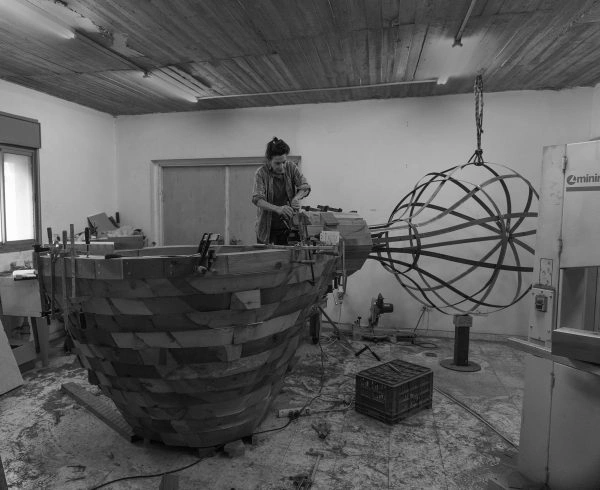
Tekoa, Israel
When I began the previous cycle, I promised myself that if I stuck with it, I would reward myself with a trip to Israel. Little did I know that the trip would involve attending the first ever women’s siyum and being inspired by so many learners. I am now over 2 years into my second cycle and being part of this large, diverse, fascinating learning family has enhanced my learning exponentially.

Minnesota, United States

Jerusalem, Israel
When I was working and taking care of my children, learning was never on the list. Now that I have more time I have two different Gemora classes and the nach yomi as well as the mishna yomi daily.

Jerusalem, Israel
Inspired by Hadran’s first Siyum ha Shas L’Nashim two years ago, I began daf yomi right after for the next cycle. As to this extraordinary journey together with Hadran..as TS Eliot wrote “We must not cease from exploration and the end of all our exploring will be to arrive where we began and to know the place for the first time.

Jerusalem, Israel

Phoenix, AZ, United States

Ontario, Canada
I began to learn this cycle of Daf Yomi after my husband passed away 2 1/2 years ago. It seemed a good way to connect to him. Even though I don’t know whether he would have encouraged women learning Gemara, it would have opened wonderful conversations. It also gives me more depth for understanding my frum children and grandchildren. Thank you Hadran and Rabbanit Michelle Farber!!

Tzur Hadassah, Israel
My Daf journey began in August 2012 after participating in the Siyum Hashas where I was blessed as an “enabler” of others. Galvanized into my own learning I recited the Hadran on Shas in January 2020 with Rabbanit Michelle. That Siyum was a highlight in my life. Now, on round two, Daf has become my spiritual anchor to which I attribute manifold blessings.

Englewood NJ, United States
Hadran entered my life after the last Siyum Hashaas, January 2020. I was inspired and challenged simultaneously, having never thought of learning Gemara. With my family’s encouragement, I googled “daf yomi for women”. A perfecr fit!
I especially enjoy when Rabbanit Michelle connects the daf to contemporary issues to share at the shabbat table e.g: looking at the Kohen during duchaning. Toda rabba
Jerusalem, Israel
I started my journey on the day I realized that the Siyum was happening in Yerushalayim and I was missing out. What? I told myself. How could I have not known about this? How can I have missed out on this opportunity? I decided that moment, I would start Daf Yomi and Nach Yomi the very next day. I am so grateful to Hadran. I am changed forever because I learn Gemara with women. Thank you.
Mitspe, Israel
I decided to give daf yomi a try when I heard about the siyum hashas in 2020. Once the pandemic hit, the daily commitment gave my days some much-needed structure. There have been times when I’ve felt like quitting- especially when encountering very technical details in the text. But then I tell myself, “Look how much you’ve done. You can’t stop now!” So I keep going & my Koren bookshelf grows…

Huntington, United States
I read Ilana Kurshan’s “If All the Seas Were Ink” which inspired me. Then the Women’s Siyum in Jerusalem in 2020 convinced me, I knew I had to join! I have loved it- it’s been a constant in my life daily, many of the sugiyot connect to our lives. My family and friends all are so supportive. It’s incredible being part of this community and love how diverse it is! I am so excited to learn more!
Jerusalem, Israel
I started learning daf in January, 2020, being inspired by watching the Siyyum Hashas in Binyanei Haumah. I wasn’t sure I would be able to keep up with the task. When I went to school, Gemara was not an option. Fast forward to March, 2022, and each day starts with the daf. The challenge is now learning the intricacies of delving into the actual learning. Hadran community, thank you!

Riverdale, NY, United States
Zevachim 99
גְּמָ׳ מְנָא הָנֵי מִילֵּי? אָמַר רֵישׁ לָקִישׁ, דְּאָמַר קְרָא: ״הַכֹּהֵן הַמְחַטֵּא אֹתָהּ יֹאכְלֶנָּה״ – כֹּהֵן הַמְחַטֵּא יֹאכַל, שֶׁאֵינוֹ מְחַטֵּא אֵינוֹ אוֹכֵל.
GEMARA: The mishna teaches that a priest who is unfit for the Temple service does not receive a share of the sacrificial meat. The Gemara asks: From where are these matters derived? Reish Lakish said: It is derived from a verse, as the verse states about a sin offering: “The priest who effects atonement shall eat it; in a sacred place shall it be eaten, in the court of the Tent of Meeting” (Leviticus 6:19). This teaches that only a priest who effects atonement by performing the rites of the offering shall partake of its meat, but a priest who does not effect atonement does not partake of its meat.
וּכְלָלָא הוּא?! וַהֲרֵי מִשְׁמָרָה כּוּלָּהּ – דְּאֵין מְחַטְּאִין, וְאוֹכְלִין! רָאוּי לְחִיטּוּי קָאָמְרִינַן.
The Gemara challenges: And is this an established principle? But there are all the priests of the priestly watch of that week in the Temple, who do not effect atonement for that offering, because the blood of a specific sin offering is presented by just one priest, and yet they all partake of its meat. The Gemara explains: We mean to say that any priest who is fit for effecting atonement may partake of it, even one who did not participate in the service.
הֲרֵי קָטָן – דְּאֵינוֹ רָאוּי לְחִיטּוּי, וְאוֹכֵל! אֶלָּא מַאי ״יֹאכְלֶנָּה״ – יְחַלְּקֶנָּה. רָאוּי לְחִיטּוּי – חוֹלֵק, שֶׁאֵינוֹ רָאוּי לְחִיטּוּי – אֵינוֹ חוֹלֵק.
The Gemara objects: But there is the case of a minor, who is unfit for effecting atonement, and who nevertheless partakes of sacrificial meat. The Gemara explains: Rather, what is meant by the term: “Shall eat it”? It means that he shall receive a share of it. The halakha is therefore that a priest who is fit for effecting atonement receives a share of the meat, but a priest who is unfit for effecting atonement does not receive a share of the meat. Minors do not receive a share, though they may partake of meat given to them by others.
הֲרֵי בַּעַל מוּם – דְּאֵינוֹ רָאוּי לְחִיטּוּי, וְחוֹלֵק! בַּעַל מוּם רַחֲמָנָא רַבְּיֵיהּ: ״כׇּל זָכָר בַּכֹּהֲנִים״ – לְרַבּוֹת בַּעַל מוּם.
The Gemara objects: But there is a blemished priest, who is unfit for effecting atonement, and yet he receives a share of its meat. The Gemara replies: The Merciful One included a blemished priest as an exception, as the verse that states: “Every male among the priests shall eat it” (Leviticus 6:22), serves to include a blemished priest.
וְאֵימָא: ״כׇּל זָכָר״ – לְרַבּוֹת טְבוּל יוֹם! מִסְתַּבְּרָא בַּעַל מוּם הֲוָה לֵיהּ לְרַבּוֹיֵי, שֶׁכֵּן אוֹכֵל.
The Gemara suggests: But say that the phrase “every male” serves to include one who immersed that day, teaching that he may also receive a share in the sacrificial meat. Why should it be understood as referring specifically to a blemished priest? The Gemara replies: It stands to reason that the Torah should include a blemished priest for receiving his own share of the meat, because he may partake of sacrificial meat in any event. By contrast, one who immersed that day is impure and may not touch or partake of sacrificial meat.
אַדְּרַבָּה – טְבוּל יוֹם הֲוָה לֵיהּ לְרַבּוֹיֵי, דִּלְאוּרְתָּא מִיחְזָא חֲזֵי! הַשְׁתָּא מִיהָא הָא לָא חֲזֵי.
The Gemara rejects this: On the contrary, the Torah should include one who immersed that day, because, unlike a blemished priest, in the evening he will be fit to perform the service. The Gemara replies: Now, in any event, the one who immersed himself is not fit.
רַב יוֹסֵף אָמַר: מִכְּדֵי מַאי ״יֹאכְלֶנָּה״ – יְחַלְּקֶנָּה; לִכְתּוֹב רַחֲמָנָא ״יְחַלְּקֶנָּה״! מַאי ״יֹאכְלֶנָּה״? שְׁמַע מִינַּהּ: רָאוּי לַאֲכִילָה – חוֹלֵק, שֶׁאֵינוֹ רָאוּי לַאֲכִילָה – אֵינוֹ חוֹלֵק.
Rav Yosef said another explanation: Now what is meant by the term: “Shall eat it”? It means: He shall receive a share of it. But if so, let the Merciful One write: Shall receive a share of it. What is the reason for writing: “Shall eat it”? Learn from it that only a priest who is fit for partaking of sacrificial meat, which includes a blemished priest, receives a share in the meat; but a priest who is not fit for partaking of sacrificial meat, e.g., one who immersed that day, does not receive a share in the meat.
בָּעֵי רֵישׁ לָקִישׁ: בַּעַל מוּם וְהוּא טָמֵא, מַהוּ שֶׁיַּחְלְקוּ לוֹ? כֵּיוָן דְּלָא חֲזֵי וְרַחֲמָנָא רַבְּיֵיהּ – לָא שְׁנָא, מָה לִי טָמֵא מָה לִי בַּעַל מוּם; אוֹ דִלְמָא, רָאוּי לַאֲכִילָה חוֹלֵק, שֶׁאֵינוֹ רָאוּי לַאֲכִילָה אֵינוֹ חוֹלֵק?
§ Reish Lakish raises a dilemma: If a priest is blemished and he is impure, what is the halakha? Must the other priests give him a share of the meat? Perhaps we say that since he is not fit to perform the rite as a blemished priest and nevertheless the Merciful One included him to receive a share in the meat, there is no difference: What is the difference to me if he is impure, and what is the difference to me if he is only blemished? In any event he is not fit, yet the Torah allows him to receive a share in the meat. Or perhaps he may not receive a share in the meat, because only a priest who is fit for partaking of sacrificial meat receives a share of the meat, but a priest who is not fit for partaking of sacrificial meat does not receive a share of the meat.
אָמַר רַבָּה, תָּא שְׁמַע: כֹּהֵן גָּדוֹל מַקְרִיב אוֹנֵן, וְאֵינוֹ אוֹכֵל, וְאֵינוֹ חוֹלֵק לֶאֱכוֹל לָעֶרֶב. שְׁמַע מִינַּהּ: רָאוּי לַאֲכִילָה בָּעֵינַן! שְׁמַע מִינַּהּ.
Rabba said: Come and hear a resolution to this dilemma from a baraita: If a High Priest is serving in the Temple and one of his immediate relatives dies, he sacrifices offerings even as an acute mourner. But he does not partake of sacrificial meat, and he does not receive a share to partake of it in the evening. Conclude from the baraita that in order for the priest to receive a share in sacrificial meat, we require that he be fit for partaking of it, and accordingly, a blemished priest who is impure does not receive a share. The Gemara affirms: Conclude from the baraita that this is so.
בָּעֵי רַב אוֹשַׁעְיָא: טָמֵא בְּקׇרְבְּנוֹת צִיבּוּר, מַהוּ שֶׁיַּחְלְקוּ לוֹ? מִי אָמְרִינַן: ״הַמְחַטֵּא״ אָמַר רַחֲמָנָא – וְהַאי נָמֵי מֵחֵטְא הוּא; אוֹ דִלְמָא, רָאוּי לַאֲכִילָה חוֹלֵק, שֶׁאֵין רָאוּי לַאֲכִילָה אֵינוֹ חוֹלֵק?
§ Rav Oshaya raises a dilemma: If a priest is impure, then in a case of communal offerings, which may be offered by an impure priest, what is the halakha? Do the other priests give him a share of the meat, so that he may partake of it in the evening when he becomes pure? Do we say that the Merciful One states: “The priest who effects atonement,” and therefore any priest who is fit for effecting atonement receives a share, as derived earlier, and this priest is also one who may effect atonement, since this is a communal offering? Or perhaps he may not, due to the principle that only a priest who is fit for partaking of sacrificial meat receives a share of the meat, but a priest who is unfit for partaking of sacrificial meat does not receive a share.
אָמַר רָבִינָא, תָּא שְׁמַע: כֹּהֵן גָּדוֹל מַקְרִיב אוֹנֵן, וְאֵינוֹ אוֹכֵל, וְאֵינוֹ חוֹלֵק לֶאֱכוֹל לָעֶרֶב. שְׁמַע מִינַּהּ: רָאוּי לַאֲכִילָה בָּעֵינַן! שְׁמַע מִינַּהּ.
Ravina said: Come and hear a resolution to this dilemma from a baraita: If a High Priest is serving in the Temple and one of his relatives dies, he sacrifices offerings even as an acute mourner, but he does not partake of sacrificial meat and he does not receive a share of it to partake in the evening. Conclude from the baraita that in order for a priest to receive a share in sacrificial meat, we require that he be fit for partaking of it at the time of the service, without regard to whether he can perform the service. The Gemara affirms: Conclude from the baraita that this is so.
אוֹנֵן נוֹגֵעַ וְאֵינוֹ מַקְרִיב כּוּ׳. אוֹנֵן נוֹגֵעַ?! וּרְמִינְהִי: אוֹנֵן וּמְחוּסַּר כִּיפּוּרִים – צְרִיכִין טְבִילָה לַקּוֹדֶשׁ!
§ The mishna teaches: A priest who is an acute mourner is permitted to touch sacrificial meat, but he may not sacrifice offerings. The Gemara asks: Is it in fact permitted for an acute mourner to touch sacrificial meat? And the Gemara raises a contradiction from another mishna (Ḥagiga 21a): An acute mourner and one who has not yet brought an atonement offering, even after their respective disqualifications have expired, require immersion in order to eat sacrificial food. According to that mishna, an acute mourner who did not immerse may not touch sacrificial meat.
אָמַר רַבִּי אַמֵּי אָמַר רַבִּי יוֹחָנָן: לָא קַשְׁיָא; כָּאן בְּשֶׁטָּבַל, כָּאן בְּשֶׁלֹּא טָבַל.
Rabbi Ami said that Rabbi Yoḥanan said: This is not difficult. Here, the ruling of the mishna is stated with regard to a case where the mourner immersed during his day of acute mourning. This is why he is permitted to touch the sacrificial meat. There, the ruling of the mishna in tractate Ḥagiga is stated with regard to a case where the mourner did not immerse.
וְכִי טָבַל מַאי הָוֵי? הָא הָדְרָא עֲלֵיהּ אֲנִינוּת; דְּאָמַר רַבָּה בַּר רַב הוּנָא: אוֹנֵן שֶׁטָּבַל – אֲנִינוּתוֹ חוֹזֶרֶת עָלָיו!
The Gemara asks: And even if he immersed, what of it? But doesn’t his acute mourning return to him? As Rabba, son of Rav Huna, says: In a case of an acute mourner who immersed during his day of his acute mourning, his acute mourning returns to him.
לָא קַשְׁיָא; הָא דְּאַסַּח דַּעְתֵּיהּ, הָא דְּלָא אַסַּח דַּעְתֵּיהּ.
The Gemara answers: This is not difficult. That case, in tractate Ḥagiga, is one where he was distracted from safeguarding his state of purity, so he may not touch sacrificial meat in the event that he is impure. This case, in the mishna here, is one where he was not distracted.
הֶיסַּח הַדַּעַת – שְׁלִישִׁי וּשְׁבִיעִי בָּעֵי; דְּאָמַר רַבִּי יוֹסְטַאי בְּרַבִּי מָתוּן אָמַר רַבִּי יוֹחָנָן: הֶיסַּח הַדַּעַת – צָרִיךְ הַזָּאָה שְׁלִישִׁי וּשְׁבִיעִי!
The Gemara counters: If the mishna in tractate Ḥagiga is discussing a case of distraction, then his status is like that of one who contracted ritual impurity imparted by a corpse, who requires sprinkling with water of purification on the third and seventh days of his impurity. As Rabbi Yustai, son of Rabbi Matun, says that Rabbi Yoḥanan says: One who experienced a distraction requires sprinkling with water of purification on the third and seventh days.
לָא קַשְׁיָא; הָא דְּאַסַּח דַּעְתֵּיהּ מִטְּמֵא מֵת, הָא דְּאַסַּח דַּעְתֵּיהּ מִטְּמֵא שֶׁרֶץ.
The Gemara responds: This is not difficult. That statement, that he requires sprinkling, is discussing a case where he was distracted and careless about contracting impurity imparted by a corpse. This mishna in tractate Ḥagiga, stating that he requires immersion but not sprinkling, is discussing a case where he was distracted and careless about contracting impurity imparted by the carcass of a creeping animal.
טְמֵא שֶׁרֶץ – טָמֵא מְעַלְּיָיא הוּא, הֶעֱרֵב שֶׁמֶשׁ בָּעֵי! וְעוֹד, אֲפִילּוּ תְּרוּמָה נָמֵי!
The Gemara counters: One who was careless about becoming impure due to the carcass of a creeping animal is fully impure, and so he requires not only immersion to become pure, but he also requires sunset. And furthermore, if the mishna in tractate Ḥagiga is discussing this case, the mourner should be prohibited from touching even teruma, not just sacrificial meat. Why does the mishna mention only the latter?
אָמַר רַבִּי יִרְמְיָה: בְּאוֹמֵר נִשְׁמַרְתִּי מִדָּבָר הַמְטַמְּאֵנִי, וְלֹא נִשְׁמַרְתִּי מִדָּבָר הַפּוֹסְלֵנִי.
Rabbi Yirmeya said: The mishna is discussing a case where he says: I safeguarded myself from anything that would render me impure, so I am certain that I did not contract impurity that requires waiting until sunset; but I did not safeguard myself from anything that would render me unfit for touching sacrificial meat.
וּמִי אִיכָּא נְטִירוּתָא לְפַלְגָא?! אִין; וְהָתַנְיָא: עוֹדֵהוּ הַסַּל עַל רֹאשׁוֹ
The Gemara asks: But is there such a concept of partial care, that one can claim to have safeguarded himself from one form of impurity but not another? The Gemara answers: Yes, and it is taught in a baraita: If one was carrying a basket, and the basket was still on his head,
וּמַגְרֵיפָה בְּתוֹכוֹ, וְאָמַר: ״לִבִּי עַל הַסַּל וְאֵין לִבִּי עַל הַמַּגְרֵיפָה״ – הַסַּל טָהוֹר וְהַמַּגְרֵיפָה טְמֵאָה.
and a shovel was in the basket, and he said: I am minding the basket, that it not become impure, but I am not minding the shovel, then the basket is pure, and the shovel is impure.
וּתְטַמֵּא מַגְרֵיפָה לְסַל! אֵין כְּלִי מְטַמֵּא כְּלִי. וּתְטַמֵּא מַה שֶּׁבְּתוֹכוֹ! אָמַר רָבָא: בְּאוֹמֵר שְׁמַרְתִּיהָ מִדָּבָר הַמְטַמְּאָהּ, וְלֹא שְׁמַרְתִּיהָ מִדָּבָר הַפּוֹסְלָהּ.
The Gemara challenges the ruling of the baraita: But wouldn’t the shovel render the basket impure? The Gemara answers: There is a principle that a vessel does not render another vessel ritually impure. The Gemara challenges: But wouldn’t the shovel render that which is in the basket, e.g., figs, impure? Rava said: The case is where he says: I safeguarded it, the shovel, from anything that would allow it to render another item impure, but I did not safeguard it from anything that would render it itself unfit, i.e., impure.
אִיגַּלְגַּל מִילְּתָא, וּמְטַאי לְקַמֵּיהּ דְּרַבִּי אַבָּא בַּר מֶמֶל. אֲמַר לְהוּ, לָא שְׁמִיעַ לְהוּ הָא דְּאָמַר רַבִּי יוֹחָנָן אָמַר רַבִּי: הָאוֹכֵל שְׁלִישִׁי שֶׁל תְּרוּמָה – אָסוּר לֶאֱכוֹל וּמוּתָּר לִיגַּע?
The Gemara returns to discuss the contradiction between the mishna, which permits an acute mourner to touch sacrificial meat, and the mishna in tractate Ḥagiga, which requires him to immerse. The Gemara relates: The matter circulated and came before Rabbi Abba bar Memel. He said to the Sages before him: Have they not heard that which Rabbi Yoḥanan says that Rabbi Yehuda HaNasi says: One who partakes of teruma that has third-degree impurity, i.e., teruma disqualified through contact with an item with second-degree impurity, is prohibited from partaking of teruma, but permitted to touch teruma.
אַלְמָא בַּאֲכִילָה עֲבוּד רַבָּנַן מַעֲלָה, בִּנְגִיעָה לָא עֲבוּד רַבָּנַן מַעֲלָה!
Rabbi Abba bar Memel continued: Apparently, in a case of partaking, the Sages imposed a higher standard, whereas in a case of touching, the Sages did not impose a higher standard. Similarly, in a case of an acute mourner, the Sages require him to immerse before he may partake of sacrificial meat, as taught in tractate Ḥagiga, but they do not impose this standard for touching the meat, as taught in the mishna here.
וְאֵינוֹ חוֹלֵק לֶאֱכוֹל כּוּ׳. מִיפְלָג הוּא דְּלָא פְּלִיג, וְכִי מְזַמְּנִי לֵיהּ – אָכֵיל;
§ The mishna teaches with regard to an acute mourner: And he does not receive a share of sacrificial meat in order to partake of it in the evening. The Gemara comments: The mishna indicates only that he may not receive a share of the meat, but when other priests invite him to join in their portions, he may partake of them in the evening.
וּרְמִינְהִי: אוֹנֵן (וּמְחוּסַּר כִּיפּוּרִים) – טוֹבֵל וְאוֹכֵל אֶת פִּסְחוֹ לָעֶרֶב, אֲבָל לֹא בְּקָדָשִׁים!
And the Gemara raises a contradiction from a mishna (Pesaḥim 91b): An acute mourner immerses and partakes of his Paschal offering in the evening, but he may not partake of other sacrificial meat.
אָמַר רַב יִרְמְיָה מִדִּיפְתִּי: לָא קַשְׁיָא; כָּאן בְּפֶסַח, כָּאן בִּשְׁאָר יְמוֹת הַשָּׁנָה.
Rav Yirmeya of Difti said: This is not difficult. Here, the ruling of the mishna is stated with regard to the first night of Passover, whereas there, in tractate Pesaḥim, the ruling of the mishna is stated with regard to the rest of the days of the year.
בְּפֶסַח – אַיְּידֵי דְּאָכֵיל פֶּסַח, אָכֵיל נָמֵי קָדָשִׁים. בִּשְׁאָר יְמוֹת הַשָּׁנָה – דְּלָא חֲזֵי, לָא חֲזֵי. וּמַאי ״אֲבָל לֹא בְּקָדָשִׁים״? אֲבָל לֹא בְּקָדָשִׁים שֶׁל כׇּל הַשָּׁנָה.
What is the reason for the distinction between the two? On the first night of Passover, since he partakes of the Paschal offering, he may also partake of other sacrificial meat. But on the rest of the days of the year, when he is unfit to partake of sacrificial meat, he is unfit. And what does the mishna in Pesaḥim mean when it states: But he may not partake of other sacrificial meat? It means: But he may not partake of sacrificial meat of all of the rest of the year, other than the first night of Passover.
רַב אַסִּי אָמַר: לָא קַשְׁיָא; כָּאן שֶׁמֵּת לוֹ מֵת בְּאַרְבָּעָה עָשָׂר וּקְבָרוֹ בְּאַרְבָּעָה עָשָׂר, כָּאן שֶׁמֵּת לוֹ מֵת בִּשְׁלֹשָׁה עָשָׂר וּקְבָרוֹ בְּאַרְבָּעָה עָשָׂר; יוֹם קְבוּרָה לָא תָּפֵיס לֵילוֹ מִדְּרַבָּנַן.
Rav Asi said there is a different resolution to the contradiction between the mishnayot: This is not difficult. Here, in the ruling of the mishna in tractate Pesaḥim, which prohibits an acute mourner from partaking of sacrificial meat, it is referring to a case where his relative died on the fourteenth day of Nisan, and he buried him on the fourteenth itself, in which case he is still considered an acute mourner by rabbinic law that evening. There, in the ruling of the mishna in this chapter, it is referring to a case where his relative died on the thirteenth of Nisan, and he buried him on the fourteenth of Nisan. The reason the mourner may partake is that since the day of burial is not the day of death, it does not take hold of its following night by rabbinic law.
מַאן תַּנָּא אֲנִינוּת לַיְלָה מִדְּרַבָּנַן? רַבִּי שִׁמְעוֹן הִיא. דְּתַנְיָא: אֲנִינוּת לַיְלָה מִדִּבְרֵי תוֹרָה. דִּבְרֵי רַבִּי יְהוּדָה. רַבִּי שִׁמְעוֹן אוֹמֵר: אוֹנֵן אֵינוֹ מִדִּבְרֵי תוֹרָה, אֶלָּא מִדִּבְרֵי סוֹפְרִים. תֵּדַע – שֶׁהֲרֵי אָמְרוּ: אוֹנֵן טוֹבֵל וְאוֹכֵל אֶת פִּסְחוֹ לָעֶרֶב, אֲבָל לֹא בַּקֳּדָשִׁים.
The Gemara clarifies: Who is the tanna who taught that acute mourning the following night is by rabbinic law, as opposed to by Torah law? This is the opinion of Rabbi Shimon, as it is taught in a baraita: Acute mourning at night is by Torah law; this is the statement of Rabbi Yehuda. Rabbi Shimon says: His status as an acute mourner at night is not by Torah law, but by rabbinic law. Know that this so, as the Sages said: An acute mourner immerses and partakes of his Paschal offering in the evening, but he may still not partake of other sacrificial meat. If acute mourning at night were by Torah law, he would not be permitted to partake of the Paschal offering.
וְסָבַר רַבִּי שִׁמְעוֹן אֲנִינוּת לַיְלָה מִדְּרַבָּנַן?! וְהָתַנְיָא, רַבִּי שִׁמְעוֹן אוֹמֵר: אוֹנֵן אֵינוֹ מְשַׁלֵּחַ קׇרְבְּנוֹתָיו. מַאי, לָאו וַאֲפִילּוּ בְּפֶסַח? לָא; לְבַר מִפֶּסַח.
The Gemara asks: And does Rabbi Shimon hold that acute mourning at night is by rabbinic law and that consequently an acute mourner partakes of his Paschal offering in the evening? But isn’t it taught in a baraita: Rabbi Shimon says: An acute mourner does not send his offerings to the Temple to be sacrificed? What, is it not referring even to a Paschal offering? The Gemara rejects this: No, the baraita is referring to all offerings other than a Paschal offering.
וְהָתַנְיָא, רַבִּי שִׁמְעוֹן אוֹמֵר: ״שְׁלָמִים״ – כְּשֶׁהוּא שָׁלֵם מֵבִיא, וְאֵינוֹ מֵבִיא כְּשֶׁהוּא אוֹנֵן. מִנַּיִן לְרַבּוֹת אֶת הַתּוֹדָה? מְרַבֶּה אֲנִי אֶת הַתּוֹדָה, שֶׁכֵּן נֶאֱכֶלֶת בְּשִׂמְחָה כִּשְׁלָמִים.
The Gemara counters: But isn’t it taught in a baraita: With regard to the verse: “And if his offering be a sacrifice of peace offerings [shelamim]” (Leviticus 3:1), Rabbi Shimon says: The offering is called shelamim to teach that when a person is whole [shalem], i.e., in a state of contentment, he brings his offering, but he does not bring it when he is an acute mourner. From where is it derived to include that an acute mourner does not bring even a thanks offering? I include the thanks offering because it is consumed in a state of joy, like a peace offering.
מִנַּיִן לְרַבּוֹת אֶת הָעוֹלָה? מְרַבֶּה אֲנִי אֶת הָעוֹלָה, שֶׁכֵּן בָּאָה בְּנֶדֶר וּבִנְדָבָה כִּשְׁלָמִים. מִנַּיִן לְרַבּוֹת בְּכוֹר וּמַעֲשֵׂר וָפֶסַח? מְרַבֶּה אֲנִי בְּכוֹר וּמַעֲשֵׂר וָפֶסַח, שֶׁכֵּן אֵינָן בָּאִין עַל חֵטְא. מִנַּיִן לְרַבּוֹת חַטָּאת וְאָשָׁם? תַּלְמוּד לוֹמַר: ״זֶבַח״.
From where is it derived that the verse also serves to include a burnt offering? I include the burnt offering because it comes as a vow offering and as a gift offering, like a peace offering. From where is it derived that the verse also serves to include a firstborn offering, and an animal tithe offering, and a Paschal offering, which are not brought voluntarily? I include a firstborn offering, and an animal tithe offering, and a Paschal offering, because they too, like a peace offering, do not come to atone for a sin. From where is it derived to include a sin offering and a guilt offering, which atone for sins? The verse states: “And if his offering be a sacrifice [zevaḥ] of peace offerings,” which teaches that an acute mourner may not sacrifice any slaughtered offering [zevaḥ].
מִנַּיִן לְרַבּוֹת הָעוֹפוֹת וְהַמְּנָחוֹת וְהַיַּיִן וְהָעֵצִים וְהַלְּבוֹנָה? תַּלְמוּד לוֹמַר: ״שְׁלָמִים קׇרְבָּנוֹ״; כׇּל קׇרְבְּנוֹת שֶׁהוּא מֵבִיא – כְּשֶׁהוּא שָׁלֵם מֵבִיא, וְאֵינוֹ מֵבִיא כְּשֶׁהוּא אוֹנֵן.
From where is it derived to include even the bird offerings, and the meal offerings, and the wine, and the wood, and the frankincense brought for the Temple service? The verse states: “And if his offering be a sacrifice of peace offerings [shelamim korbano],” teaching that for all offerings [korbanot] that a person brings, he brings them when he is whole [shalem], but he does not bring them when he is an acute mourner.
קָתָנֵי מִיהָא פֶּסַח!
The Gemara explains: In any event, Rabbi Shimon teaches that it is prohibited for an acute mourner to bring a Paschal offering, even though he will cease to be an acute mourner that night; this contradicts the first baraita.
אָמַר רַב חִסְדָּא: פֶּסַח – כְּדִי נַסְבֵיהּ.
Rav Ḥisda said: The latter baraita mentions a Paschal offering for no purpose. In other words, the halakha that an acute mourner does not bring an offering does not actually apply to a Paschal offering, and the baraita mentions it only out of habit, since a firstborn-animal offering, the animal tithe offering, and a Paschal offering are frequently mentioned together.
רַב שֵׁשֶׁת אָמַר: מַאי פֶּסַח – שַׁלְמֵי פֶסַח. אִי הָכִי, הַיְינוּ שְׁלָמִים! תְּנָא שְׁלָמִים הַבָּאִין מֵחֲמַת פֶּסַח, וּתְנָא שְׁלָמִים הַבָּאִין מֵחֲמַת עַצְמָן.
Rav Sheshet said: What is meant in this baraita by the term: Paschal offering? It is referring to the peace offerings of Passover, i.e., the peace offering that is sacrificed along with the Paschal offering. The Gemara objects: If so, that is the same as a peace offering, which Rabbi Shimon already mentioned. The Gemara answers: He taught the halakha with regard to peace offerings that come on account of the Paschal offering, and he taught separately the halakha with regard to peace offerings that come on their own account.
דְּאִי לָא תְּנָא שְׁלָמִים הַבָּאִין מֵחֲמַת פֶּסַח, סָלְקָא דַּעְתָּךְ אָמֵינָא: הוֹאִיל וּמֵחֲמַת פֶּסַח אָתֵי – כְּגוּפֵיהּ דְּפֶסַח דָּמֵי; קָא מַשְׁמַע לַן.
The Gemara explains: Rabbi Shimon needed to teach both cases explicitly, because if he did not teach the halakha with regard to peace offerings that come on account of the Paschal offering, it would enter your mind to say: Since they come on account of the Paschal offering, they are considered like the Paschal offering itself, and the acute mourner offers them as well. Therefore, Rabbi Shimon teaches us that these peace offerings are also forbidden to an acute mourner.
רַב מָרִי אָמַר:
Rav Mari said a different resolution to the contradiction between the statements of Rabbi Shimon:

